
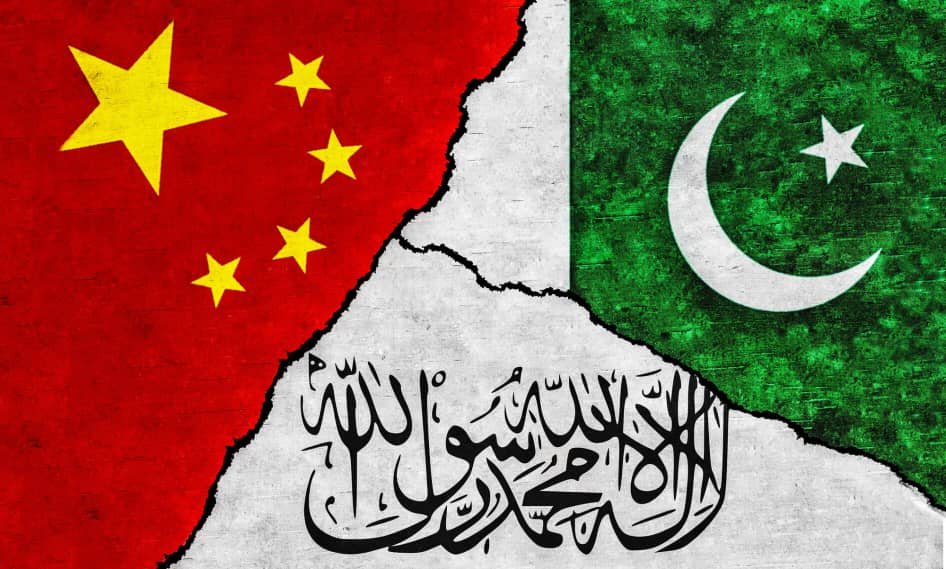
For several days, talks have been underway in Urumqi, China, between Afghanistan and Pakistan, mediated and hosted by China. Pakistani media have published some details, reporting that the Pakistani delegation made three key demands to the Afghan delegation, which are considered the core stance of Pakistan’s negotiating team. According to sources, Pakistan has requested that the TTP be officially recognized as a terrorist group, that their hideouts be destructed and that concrete evidence of actions taken against the group be presented. China, through its mediation, is pushing for both sides to adopt a five-point joint working framework to resolve the issue.
KABUL POST - The Pakistani delegation’s demands are similar to those made during previous discussions in 2025, when Pakistan, alongside Turkey, Qatar and Saudi Arabia, requested that Afghanistan issue a Fetwa against Jahad in Pakistan and prevent TTP’s armed struggle in the country. While the Afghan government has not commented on these specific demands, the Ministry of Foreign Affairs confirmed the ongoing negotiations in Urumqi. Foreign Minister Amir Khan Muttaqi, during a Central Asia consultative meeting, reiterated that Afghanistan is participating in the talks in good faith, seeking solutions through dialogue and mutual respect.
While Afghanistan firmly denies the presence of TTP on its soil or any attacks launched from there into Pakistan, Pakistan continues to raise this issue, leading some analysts to believe that Islamabad may not be committed to the talks. They suggest that Pakistan’s repeated demands could be an attempt to upset the negotiations and pursue a foreign agenda. Political analysts claim that Pakistan may be revisiting old accusations about TTP as part of a destabilizing project, potentially influenced by its relationship with the United States. Another analyst deems Pakistan’s demands unrealistic and unfair, stating that Afghanistan's stance is just and Pakistan should resolve its issues on its own.
The talks, hosted by China, began in Urumqi on April 1st. The Afghan delegation is led by Muhibullah Waseeq, head of the Foreign Ministry’s office, with representatives from the Ministry of Foreign Affairs, Ministry of Interior and the General Directorate of Intelligence. Pakistan’s delegation is headed by Sayyed Ali Asad Gelani, the head of the Afghanistan and West Asia division in Pakistan’s Ministry of Foreign Affairs.